Journal of Orthomolecular Medicine Archives: Volume 6, Numbers 3 & 4, 1991
This article has been republished as part of a series celebrating the 50th Anniversary of the term ‘Orthomolecular’ coined by Nobel laureate by Linus Pauling in the journal Science, April 19, 1968.
Introduction
During the last half century many researchers have suggested that the usually recommended intake of ascorbate (vitamin C) is not enough to put people in the best of health. The arguments were strengthened in 1967 by the American biochemist Irwin Stone, who stated that almost all human beings suffer from the genetic disease hypoascorbemia, and that the optimum intake of ascorbate, providing the best of health and the greatest control of disease, is 50 or more times the RDA of 60 mg/d for an adult.1 In 1972, in his book The Healing Factor: Vitamin C Against Disease2, he discussed over 500 published papers in which the authors reported the value of high doses of ascorbate in preventing and treating about 100 diseases. His discussion was repeated and extended somewhat by Pauling,3,4 and much additional evidence about the value of a high intake of ascorbate in the prevention of disease and, as an adjunct to appropriate conventional therapy, in the treatment of disease, has been published during the last 20 years.
The recent discovery by Rath et al.5,6 that atherosclerotic plaques are formed by lipoprotein(a) [Lp(a)] rather than by low-density lipoprotein [LDL] and our recognition of the connection of Lp(a) and its apoprotein apo(a) with ascorbate7 have led us to investigate the evidence about the relation between the concentration in the blood of Lp(a), as well as the intake of ascorbate, to achieving the best of health, with the greatest amount of control of disease. We have reached the conclusion that the optimum intake of ascorbate and the optimum level of Lp(a) are both required for the best of health, and that the basic risk factors for nearly all diseases may well be these two substances.
The Ascorbate-Apo(a) Connection
Ascorbate is an important hydroxylating agent. It is required for the synthesis of procollagen to collagen and of proelastin to elastin, by hydroxylating prolyl and lysyl residues, and is used up in these reactions; accordingly, ascorbate deficiency results in weakness of vascular walls, which are not sufficiently strengthened by the deposition of collagen and elastin. The fact that Lp(a) is found in good amounts mainly in the blood of animal species that do not synthesize ascorbic acid suggested to us7 that apo(a) is a surrogate for ascorbate, serving to rectify some of the problems caused by ascorbate insufficiency; in particular, deposition of Lp(a) on the vascular wall can strengthen the blood vessels and stabilize connective tissue throughout the body.
The loss of the ability of primates to synthesize ascorbate occurred in the common ancestor of humans and other primates at a time about 40 million years ago, and the genetic change resulting in the synthesis of good amounts of apo(a) occurred somewhat later. Lp(a) is an unusual bodily constituent in that the concentration in the blood of a person varies 1000-fold, from less than 1 mg/dl to more than 100 mg/dl. We suggest that this great variation is the result of the short time that has passed since the need for Lp(a) developed: there has not been time enough for the evolutionary processes to occur that would stabilize the rate of synthesis of apo(a) to strengthen the blood vessels and normalize the connective tissue, whereas others overshoot the mark and deposit atherosclerotic plaques. Apo(a) is synthesized in the liver, where it attaches itself to apoB and takes up lipids to form the Lp(a) particles to be transported to the sites of requirement.
Ascorbate and Lp(a) in Relation to Health and Disease
There is now no doubt that the optimum intake of ascorbate, much greater than the RDA, leads to improved health and greater control of diseases. The relation between ascorbate intake and CVD mortality has been discussed in our earlier paper.8 Stone reviewed the published evidence not only for CVD but also for cancer and other diseases. Recently published epidemiological papers showing a correlation of increased mortality with decreased ascorbate intake or decreased ascorbate plasma level include not only CVD but also cancer, diabetes, and many other diseases. We shall not give references to the many papers in this field, which support the conclusions reached earlier by Stone, Pauling, and others.
There are also many published reports of studies showing that high levels of Lp(a) are correlated with an increased risk for many diseases. An important early investigation is that by Rhoads et al.9 They found the risk for myocardial infarction to be much greater for those subjects’ Lp(a) level in the top quartile (20 to 72 mg/dl) than for those in the third quartile (11 to 20 mg/dl). It is interesting that they reported also that the risk for the quartiles (0 to 11 mg/dl) was found to be larger than for the third quartile. Our interpretation of these observations is that the optimum Lp(a) level is 11 to 20 mg/dl. Persons with lower values are at increased risk because they do not have enough Lp(a) to rectify the damage done by the ascorbate insufficiency and those with the high values have too much Lp(a), causing atherosclerotic plaque formation and other deleterious consequences. In another study10 a significant association was found between high levels of Lp(a) (>17 mg/dl) and the incidence of both coronary heart disease and cerebral infarction. In a recent study of patients with angiographically documented coronary heart disease compared with control patients free of cardiovascular disease it was found that the Lp(a) level for the patients was significantly higher than for the controls.11
With respect to cancer, we quote Wright et al.,12 who refer to several earlier studies about cancer in relation to Lp(a). Wright et al. report that 48% of their sample of cancer patients had Lp(a) levels greater than 35 mg/dl, considerably higher than the 20% for normal blood donors and 29% of hospitalized control patients with cardiovascular disease.
Insulin-dependent diabetes mellitus patients are at high risk for cardiovascular disease. This fact may be explained by the observation13 that improved glycemic control leads to a decrease in the Lp(a) level in patients with insulin-dependent diseases. Among other diseases associated with elevated Lp(a) levels include membranoproliferative glomerulonephritis.14 Patients with chronic renal disease treated by hemodialysis tend to have much higher Lp(a) levels (>30 mg/dl) than the controls (10 mg/dl).15These investigators mention that this fact may explain the development of atherosclerosis in these patients. The observation that the Lp(a) level increases after an acute attack of a myocardial infarction and also after a surgical operation suggests that it is functioning as an acute-phase protein.16,17
The discovery that apo(a) [not LDL] is found in sperm and other tissues suggests that this glycoprotein has functions in addition to forming Lp(a) and that the presence of some apo(a) in these tissues may contribute to good health and the control of disease by mechanisms that have not yet been discovered. We have now obtained immunological evidence that Lp(a) is present in the plasma of guinea pigs, rabbits, sheep, goats, and a few other animal species. The concentrations are, however, much lower than the average for human plasma. The fact that the presence of Lp(a) in these species escaped earlier discovery may be explained by the complication of the use of anti-human-apo(a) antibodies, complementary to the carbohydrate side chains of human apo(a), which may occur less frequently in the apo(a) of other species.
Endogenous Substances
In 1968 one of us published a detailed physiochemical analysis of the process of synthesis of endogenous substances.18 It was shown in general that the concentration that is optimum for endogenous production is less than the optimum that would be reached if the substance were provided exogenously, without the organism having to do work and use materials for its production. Accordingly an improvement in health may be achieved by supplementary intake of endogenous substances. Two examples are CoQ10 and L-carnitine, each of which, taken as an oral supplement, improves muscular strength, with special value in cardiac insufficiency.
The concentration of a protein is not easily increased, usually injection is required. The effectiveness of many enzymes can, however, be increased by increasing the intakes of the corresponding coenzymes.
The Unified Concept of Occurrence and Control of Disease
A high intake of tocopherol (vitamin E) is reported to be of value in controlling CVD and cancer, and, especially because of its function as a fat-soluble antioxidant, probably also of other diseases. Also, niacin (vitamin B3) in increased intake decreases the mortality from CVD and cancer. Other Orthomolecular substances in increased intake may also contribute to the improvement of health, especially those that serve as coenzymes. It is our opinion, however, that the primary cause of early incidence of and death from most diseases is the poor health that results from insufficiency of ascorbate. An example is the fact that atherosclerotic plaques usually occur at lesions in the vascular wall, and that the occurrence of these lesions can be attributed to the weakness of the wall resulting from the decreased rate of synthesis of collagen and elastin caused by an insufficiency of ascorbate. Because a high level of Lp(a) is the largest risk factor for CVD, the principal cause of death in many parts of the world, and is correlated also with mortality from other diseases, we associate Lp(a) with ascorbate in our unified concept of the occurrence and control of all diseases. The unified concept is that a low intake of ascorbate and a high level of plasma Lp(a) result in poor health of human beings and an increased incidence of nearly all diseases, and that measures to rectify these factors can contribute to the control of nearly all diseases.
Rectification of ascorbate deficiency is rather simple. It usually consists of taking ascorbate regularly by mouth in amounts of grams per day, or, in severe illnesses, intravenously administering sodium ascorbate in large amounts, as much as 200 g in 24 hours. The plasma level of Lp(a) is not so easily controlled. It is determined largely by genetic factors that regulate the rate of apo(a) synthesis in the liver. This rate is decreased, however, by an increased intake of ascorbate. Moreover, we have observed in a preliminary tissue-culture study with human liver cells that an increased concentration of niacin also decreases the rate of apo(a) synthesis, and other ways of controlling this rate may be discovered. Moreover, to the extent that a disease is related to plaque formation, much control may be achieved by the administration of inhibitors that block the binding of Lp(a) to the arterial wall, such as L-lysine.
Conclusion
There is much evidence that the optimum intake of ascorbate, the intake that would lead to the best health and the greatest effectiveness in the prevention and treatment of disease, is far greater than the recommended dietary allowance (the RDA). People receiving only the RDA have weaker blood vessels and other tissues and organs because of the inability to synthesize the proper amounts of the structural proteins collagen and elastin, to carry out other hydroxylation reactions at the optimum rates, and to provide the maximum protection that this antioxidant, the most important one in the human body, might provide. As a result of the impairment in health caused by ascorbate insufficiency, nearly every person suffers unnecessarily from premature incidence of disease and from suffering and death caused by disease. Consideration of all of the present evidence has led us to the conclusion that insufficiency of ascorbate is the principal cause of early incidence of and mortality from disease. An important contributing factor is the high concentration of Lp(a) in the blood of many people, which leads to the development of plaques and to CVD. Lp(a) and its apoprotein apo(a) are so important in relation to health and disease that we have associated them with ascorbate in our formulation of a unified concept of health and disease. Other Orthomolecular substances, such as the vitamins tocopherol and niacin and the amino acid L-lysine, may also be incorporated into our unified theory. The efforts to control disease suggested by this theory are to some extent to be considered as adjuncts to appropriate conventional methods of prophylaxis and therapeusis, and to some extent as alternatives. Since episodes of illness are known to increase the rate of aging and decrease survival time, the relation of this theory to aging and survival time is obvious.
References
1. Stone I (1967): The Genetic Disease Hyposcorbemia. Acta Geneticae Medicae et Gemellologicae 16: 52-60.
2. Stone I (1972): The Healing Factor: Vitamin C Against Disease, Grosset and Dunlap, New York.
3. Pauling L (1970): Vitamin C and the Common Cold, W. H. Freeman and Co., San Francisco.
4. Pauling L (1986): How to Live Longer and Feel Better, W. H. Freeman and Co., New York.138
5. Rath M, Niendorf A, Reblin T, Dietel M, Krebber H-J, & Beisiegel U (1989): Detection and Quantification of Lipoprotein(a) in the Arterial Wall of 107 Coronary Bypass Patients. Arteriosclerosis 9, 579-592.
6. Beisiegel U, Niendorf AS, Wolf K, Reblin T & Rath M (1990): Lipoprotein(a) in the arterial wall. European Heart J 11, Suppl. E, 174-183.
7. Rath M & Pauling L (1990): Hypothesis: Apoprotein(a) is a surrogate for ascorbate. Proc Natl Acad Sci USA 87, 204-6207.
8. Rath M & Pauling L (1991): Solution of the puzzle of human cardiovascular disease: Its primary cause is ascorbate deficiency, leading to the deposition of lipoprotein(a) and fibrinogen/fibrin in the vascular wall. Orthomolecular Medicine, this issue.
9. Rhoads CG, Dahlen G, Berg K, Morton NE & Dannenberg AL (1986): Lp(a) as a Risk Factor for Myocardial Infarction. Amer Med Assn 256, 2540-2544.
10. Murai AS, Miyahara T, Fukimoto N, Matsuda M & Kamayama M (1986): Lp(a) Lipoprotein as a Risk Factor for Coronary Heart Disease and Cerebral Infarction. Atherosclerosis 59, 199-204.
11. Genest J Jr, Jenner JL, McNamara JR, Ordovas JM, Silberman SR, Wilson PWF & Schaefer EJ (1991): Prevalence of Lipoprotein(a) [Lp(a)] Excess in Coronary Artery Disease. Amer. J. Cardiology 67, 1039-1045.
12. Wright LC, Sullivan DR, Muller M, Dyne M, Tattersal MHN & Mountford CE (1989): Elevated Apolipoprotein(a) Levels in Cancer Patients. Int. J. Cancer 43, 241-244.
13. Haffner SM, Tuttle KR 8c Rainwater DL (1991): Decrease of Lipoprotein(a) with Improved Glycemic Control in IDDM Subjects. Diabetes Care 14, 302-307.
14. Karadi I, Romics L, Palos G, Doman J, Kaszas I, Hesz A Se Kostner GM (1989): Lp(a) lipoprotein concentration in serum of patients with heavy proteinuria. Clin. Chem. 35, 2121-2123.
15. Parra HJ, Mezdour H, Cachera C, Dracone M, Jacquet A & Fruchart JC (1987); Lp(a) Lipoprotein in Patients with Chronic Renal Failure Treated by Hemodialysis. Clin. Chem. 33, 721.
16. Maeda S, Abe A, Seishima M, Makino K, Noma A and Kawade M (1989): Transient changes of serum lipoprotein(a) as an acute phase protein. Atherosclerosis 78, 145-150.
17. Etingin OR, Hajjar DP, Hajjar KA, Harpel PC 8c Nachman RL (1991): /. Biol. Chem. 266, 2459•2465.
18. Pauling L (1968): Orthomolecular psychiatry. Science 160, 265-271.
Andrew Cuscianna 2018-11-13T16:09:43+00:00
Author(s): Linus Pauling1; Matthias Rath
1Linus Pauling Institute of Science and Medicine, 440 Page Mill Road, Palo Alto, CA 94306
|


Volume 33, Number 6, 2018
*출처-https://isom.ca/article/metabolic-correction-physiologic-modulation-unifying-theory-healthy-state/
Author(s): Michael J Gonzalez1; Jose Olalde2; Jose R Rodriguez3; Diana Rodriguez4; Jorge Duconge5
1University of Puerto Rico, Medical Sciences Campus, School of Public Health ; 2University of Puerto Rico School of Pharmacy ; 3University of Puerto Rico Rio Piedras Campus, Department of Social Sciences ; 4EDP University Naturopathic Sciences Program ; 5Centro Medico Adaptogeno, Bayamon, PR
|
*출처- https://isom.ca/volume-33-number-1-2018/Mission Statement
The mission of the Journal of Orthomolecular Medicine is to advance knowledge and improve the practice of orthomolecular medicine by educating practitioners of orthomolecular medicine, inspiring scholars, students and future leaders with novel, relevant and high quality metabolic research, clinical studies and reports, informative topic reviews and well-argued commentaries.
The Journal aims to engage the orthomolecular medicine community by providing a forum for debate and the promulgation of new ideas.
Editor
Alex Vasquez, DO, ND, DC, FACN
Associate Editor
Alexander G. Schauss, PhDTucson, AZ, USA
Editorial Board
Aileen Burford-Mason, PhDToronto, ON, Canada
James M. Greenblatt, MDWaltham, MA, USA
Michael Gonzalez, DSc, PhDSan Juan, Puerto Rico
Steve Hickey, PhDManchester, United Kingdom
Ron Hunninghake, MDWichita, KS, USA
Bo H. Jonsson, MD, PhDStockholm, Sweden
Laurie Mischley, ND, PhD, MPHSeattle, WA, USA
W. Todd Penberthy, PhDOrlando, FL, USA
Jonathan E. Prousky, ND, MScToronto, ON, Canada
Andrew W. Saul, PhDBrockport, NY, USA
Gert Schuitemaker, PhDGendringen, The Netherlands
Production Editor
Andrew Cuscianna
|

Home Please note: ANDREW SAUL IS NOT A PHYSICIAN. Yes, he has worked with physicians for decades; he has coauthored a number of books with physicians; he has lectured at many medical conferences; he has taught future physicians; perhaps he even looks like a physician. But he is not, and please consult YOUR OWN physician before you make your health decisions. After reading the account of a sick baby that needed 20,000 milligrams of vitamin C to get well(http://www.doctoryourself.com/vitaminc2.html ), many have asked, "Exactly how do you get that much vitamin C into a baby?" As an alumnus of the Mary Poppins School of Medicine, let me say that the answer is sugar. Yes, sugar, that universal bane of health writers. Sweet, sweet sugar is the way to get little kids to take tons of sour, sour ascorbic acid. Of course, you can simply use children's chewable vitamin C. Many kinds are really delicious, but they are pricey. Pure ascorbic acid dissolved in sugar water is the cheapest "solution" to the flu problem that there is. Now I am not suggesting that you gorge your offspring on sugar. I'm simply a realist. This is cheap, and it works. And it works with sick kids at three AM. If you put vitamin C powder in really sweet natural fruit juice, that often does the trick, too. (Vitamin C powder is available at most health food stores. An internet search will find numerous places where you may be able to buy it cheaper.) BIG HINT: Dose depends on need. The sicker the child, the higher the dose. If you search this website for “vitamin C” from the main page “Search” box, you will learn more about this. You will definitely want to read the articles by Dr. Lendon Smith, Dr. Robert Cathcart and Dr. Frederick Klenner. BIG HINT: Remember to put ALL the C in just SOME of the juice. A child is more apt to down a small amount because it looks easy. My older brother tried to teach me how to ride a bicycle by putting me on his. It did not work because I was afraid of being up too high. At a playground one day, I borrowed a little kid's tiny two-wheeler, and taught myself to ride it in 5 minutes. Later, I could ride my brother's big bike just fine. BIG HINT: Use a sweet “chaser” drink to kill the sour taste. So put all the C in a small volume of sweetened liquid, and after it's gone down the hatch, immediately have on hand a "chaser" of sweet, sweet juice. Reward their tastebuds for bravely taking their C powder, and by golly they will keep doing it. For especially tricky kids, offering a tasty dessert food (such as a mouthful of ice cream or a big bite of cake) for a chaser makes it a lot less likely to come back up at you. Your children will correctly see this as the bribe it is. Just a spoonful of pastry helps the vitamins go down. . . and stay down. BIG HINT: Think big, even in little people. Remember: it takes a huge amount of vitamin C to act as an antiviral, antibiotic, antitoxin, or antihistamine. Expect to have to use as much as 1,000 milligrams of vitamin C per pound of baby. You may very well get cure with less, but what works is what works. BIG HINT: Do yourself and your children a favor and consult these helpful resources: Dr. Klenner's Clinical Guide to the Use of Vitamin C is now posted in its entirety at http://www.seanet.com/~alexs/ascorbate/198x/smith-lh-clinical_guide_1988.htm" The complete text of Irwin Stone's book The Healing Factor is now posted for free reading at http://vitamincfoundation.org/stone/ BIG HINT: You can either use enough, or have a sick kid. I made my decision nearly forty years ago. My children were raised all the way into college and never once had a single dose of any antiviral or antibiotic. Of course they got sick sometimes. But it's how they got well that counts: we used vitamin C, and plenty of it. BIG HINT: Buffer to reduce acidity. To comfort especially sensitive tummies, buffer any excess acidity with any combination of calcium, food and liquid. You can also buy non-acidic vitamin C. This is especially tooth-friendly, and essential in purchasing chewables. Whether it's chewables or powder, non-acidic or not, get the child in the habit of rinsing their mouth with water after each dose regardless. Vitamin C is about as acidic as a cola soft drink. Rinse after either. "THERE HAS TO BE A SAFETY ISSUE IN HERE SOMEWHERE!" That's many a person's first concern when presented with the idea of enormous vitamin C doses. And, you're right: there is indeed a safety issue, and here it is: Vitamin C (ascorbic acid) is safer than any medication on the market. Period. Read more about vitamin safety at http://www.doctoryourself.com/testimony.htm and http://www.doctoryourself.com/vitsafety.html BIGGEST HINT OF ALL: Bowel tolerance (loose stool) indicates saturation of vitamin C. "Loose stool" is NOT diarrhea. No one wants diarrhea. "Loose stool" means a mild laxative effect. Right about when junior is on the pot, the coughing and sneezing will be gone. See for yourself. Andrew Saul is the author of the books FIRE YOUR DOCTOR! How to be Independently Healthy (reader reviews athttp://www.doctoryourself.com/review.html ) and DOCTOR YOURSELF: Natural Healing that Works. (reviewed at http://www.doctoryourself.com/saulbooks.html )
모바일에서 작성된 글입니다. 블로그앱에서 보기
|

*글쓴이: 앤드류 소울
*번역:김일용(자연의학 번역가)
"경고: 이 약을 모든 사람들 손길이 닿지 않는 곳에 보관하세요! 대신 비타민C를 사용하세요!"
(라이너스 폴링, PhD, 노벨상 2회 수상자)
한 살 이하의 아이에게 12 차례 항생제를 처방하는 의사는 의료행위를 할 자격이 없습니다. 나는 여전히 그렇게 하고 있는 의사를 한 명 이상 알고 있습니다.
건강 전문가인 레이가 11개월 된 자기 아들 로비를 내게 데려왔습니다. 1주일 동안 심하게 아팠다고 합니다. 가족들 모두 오랫 동안 제대로 잠을 자지 못했다고 합니다. 가족들은 고열, 눈물, 짙은 콧물과 가쁜 숨을 쉬며 고생하는 아이와 밤마다 잠을 이루지 못하였다고 합니다. 잠 못이루며 밤낮으로 울기만 하였다고 합니다.
로비는 심각한 항생제를 줄곧 사용해온 소아과의사에게 진료를 받아왔습니다. 항생제는 분명히 효과가 없었습니다. 레이에게 이 모든 것은 너무 명백하였습니다.
"한 살 이하의 아이에게 12회, 그리고 모든 의사들이 더 많은 항생제를 처방하고 있다면? 도대체 말도 안됩니다." 레이가 내뱉은 말이었습니다.
"레이, 항생제는 많은 질병에 자동으로 내놓는 답이에요. 이런 말이 있어요: "당신이 가진 연장이 망치 밖에 없으면, 모든 문제를 못으로 보기 쉽다.'"
레이는 말을 이었습니다.
"아, 의학적으로 가능한 방법을 모두 다 해보았어요, 소아과의사들과 100% 협력하였어요. 그런데, 로비는 더 악화되고, 나아지지 않고 있어요. 우리 스스로 뭔가를 하고 싶어요. 그렇게 할 겁니다. 제 아내도 같은 생각입니다."
레이의 아내는 다른 아이들을 돌보며 집에 있었습니다.
나는 곧 바로 레이를 비타민C 의사들에게 소개해주었습니다.
"기본은 로비에게 설사를 하지 않을 정도로 많은 양의 비타민C를 먹이는 것입니다."
레이가 말했습니다.
"네."
"그렇게 할 수 있습니다."
그리고 레이 자신도 비타민C를 많이 먹었습니다.
그 결과 이제 새로운 임상사례를 갖게 된 것입니다: 11개월 된 20파운드 아이에게 20,000 mg(20g)의 비타민C 처방. 심한 체증, 열, 불안정 증세를 가진 레이를 치료하기 위해 섭취한 비타민C 양입니다. 이것은 하루에 몸무게 1파운드 당 1,000 mg의 비타민C; 1kg 몸무게에 2,200 mg으로 프레드릭 클레너 박사가 상습적으로 환자들에게 처방한 양의 2배에 해당됩니다. 그렇게 엄청난 양에도 불구하고, 그 아이는 전혀 설사를 하지 않았습니다.
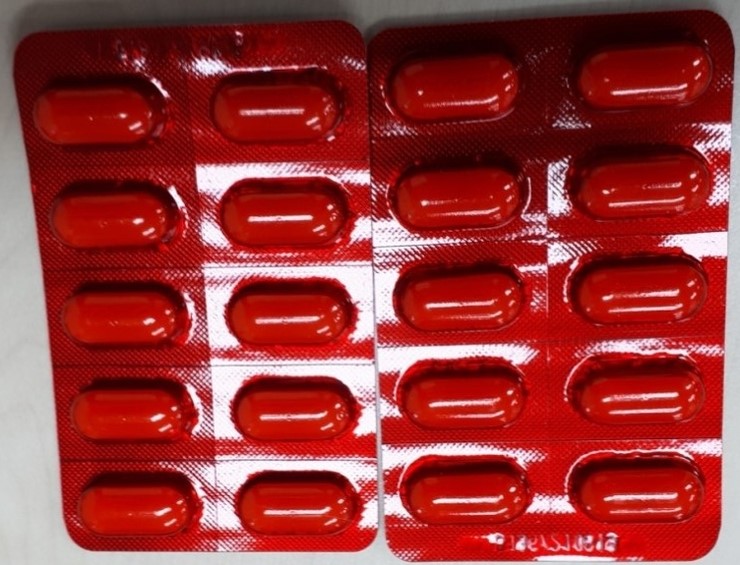
20g의 비타민(국산 비타민)
그 효과에 매우 놀랍고, 더 놀라운 것은 너무 빠르게 효과가 나타났다는 것입니다. 레이는 전화로 연락을 계속하였습니다.
"로비는 눈에 띄게 12시간 내에 좋아졌고, 처음으로 밤새 잠을 잘 잤어요." 레이가 이틀 뒤에 말했다. "로이가 48시간 안에 완전히 좋아졌어요. 증상이 없고, 완전히 회복되었어요!"
많은 항생제 처방의 해로운 부작용은 제쳐두고서라도, 항생제를 무분별하게 반복적으로 사용하는 것의 무용성(futility)을 알 수 있습니다. 항생제는 처음 한 두번 효과가 있거나 아니면 전혀 효과가 없습니다. 더도 덜도 아닙니다. 전기 불꽃 하나 튀긴 것에 12개의 소화기를 쏟아 붓는 꼴입니다. 잘못 일을 더 하면 더 잘못된 일이 될 뿐입니다. 그것도 아이에게 한다면, 누가 봐도 바보같은 짓입니다.
가장 최선의 안전하고 효과적인 방법을 찾아야합니다. 특히 아이들을 위해서라면. 비타민C를 열렬히 옹호하신 분들(라이너스 폴링, 프레드릭 클레너, 엠마뉴엘 체라스킨, 윌리엄 맥코믹, 어윈 스톤, 로버트 캐스카트, 그리고 나..)라면 여러분이 제대로 사용할 수 있는 비법을 알려드릴 것입니다; 비타민C를 가장 먼저 항생제로 사용해보세요. (*번역자-비타민C는 항생제, 진통제, 항암제, 항산화제 기능을 하는 것으로 분자교정의학자들은 보고하고 있다.)
비타민C를 충분히 섭취하면 세 가지 C를 경험하게 됩니다: 환자가 편안해짐(patient comfort), 저비용(low cost), 그리고 부모 통제(parental control). 공격적인 기술이나 입원하는 고통을 겪지 않고 부모들은 질병에 대해 자신들이 가능하다고 생각해보지 못한 수준으로 자신감과 통제력을 얻을 수 있습니다. 우리는 이제 자기 관리에 대한 의료계의 가부장적이고 비관적인 태도를 훨썬 넘어서 있습니다. (*각자가 자신의 의사가 되어야함을 다시 강조합니다.)
이런 이유로 비타민C 요법은 아직도 무책임한 돌팔이요법으로 부정되고 거부되고 있습니다. 부모가 확고한 태도로 강한 자존감을 가지고 이렇게 말할 수 있어야 합니다. "저는 이렇게 할 생각입니다: 클레너/캐스카트 비타민C 프로토콜을 따르겠습니다." 비타민 C의 의사들이 공유하는 방법에 대한 지식은 그러한 자세를 가능하게 만드는 버팀목입니다.
아마 이런 질문을 할 지 모릅니다.
"어떻게 어린 아이에게 그렇게 많은 비타민C를 먹인다는 것입니까?" 답은, 어떻게든 먹일 수 있습니다.
내가 어렸을 때는 황에서 헥사클로로핀에 이르기까지 기적의 약들이 있었습니다. 우리는 대기실에서부터 처방전에 이르기까지 군중을 따라 약들을 먹었습니다. 부모님들은 고영이 있으면 아이들 용 아스피린을 먹였습니다. 그 다음에는 유아용 타이레놀이 등장하였습니다. 그런데, 간과 신장에 부작용이 있다는 것도 나중에 밝혀졌습니다. 약물에 관한한 타이레놀(acetaminophen)은 정말 안전합니다. 그러나 약물은 부작용을 동반합니다. 그러니 당신의 독을 신중하게 선택하시기 바랍니다. 비타민은 매우 안전합니다.
법칙: 비타민의 가장 큰 부작용은 충분하게 섭취하지 않는 것입니다.
항생제를 사용하면, 항생제가 이로운 장내 박테리아를 죽임으로써 정상적인 소화를 방해한다는 점을 아셔야 합니다. 이 박테리아들은 B군 비타민들인 코발라민과 비오틴으로 식물과 유제품의 소화를 돕고, 면역체계를 강화하고 병원성 미생물을 억제하는 것을 돕습니다. 항생제 치료를 받고 나면 정상적인 장 환경을 회복하기 위해 요구르트와 젖산간균(acidophillus) 보조제를 1~2개월 동안 섭취해야 합니다. 나는 아쉽게도 환자에게 이 사실을 말해주는 의사를 거의 보지 못했습니다.
그리고 이것은 항생제에 한정된 이야기도 아닙니다. 1980년, Physicians' Desk Reference에는, 프레드니손이 가장 많이 처방되는 약물로 "다이아몬드" 표시가 되어 있지 않았습니다. 이제 이 스테로이드제는 거의 무차별적으로 사용되고 있습니다. 식습관이 부실하고 감기와 만성 기관지염을 달고 사는 16세 여자 아이를 알고 있습니다. 항생제를 여러 바켓 분량을 투여하고도 효과가 없자, 의사들은 프레드니손을 처방하였습니다. 프레드니손은 절망적인 약입니다. 이 스테로이드제를 없애면 그 밖에 뭘해야 하는 지 모릅니다.
Prednisone can cause the following nutritional problems, among others: sodium and fluid retention, potassium loss, osteoporosis, carbohydrate intolerance and increased insulin requirement, and a variety of gastrointestinal complications. Why subject a sixteen year old kid to this?
On the other hand, I have in my possession two United States Pharmacopoeia statements on vitamin C for injection asserting that "there are no counterindications for the use of ascorbic acid (vitamin C)." Additionally, it works. Intelligently employing vitamins can eliminate many dangerous side effects that come from over-reliance on over-the-counter and prescription drugs.
YOU CAN READ BOTH THE CLINICAL GUIDE and THE HEALING FACTOR FOR FREE
Many readers have long been hunting for copies of these amazingly valuable books. Your wishes have been answered. Dr. Klenner's Clinical Guide to the Use of Vitamin C is now posted in its entirety athttp://www.seanet.com/~alexs/ascorbate/198x/smith-lh-clinical_guide_1988.htm
The complete text of Irwin Stone's book The Healing Factor is now posted for free reading athttp://vitamincfoundation.org/stone/
Copyright C 2018, 2003 and prior years Andrew W. Saul.
Andrew Saul is the author of the books FIRE YOUR DOCTOR! How to be Independently Healthy (reader reviews athttp://www.doctoryourself.com/review.html ) and DOCTOR YOURSELF: Natural Healing that Works. (reviewed athttp://www.doctoryourself.com/saulbooks.html )
*영어원문
KEEP THIS MEDICINE OUT OF THE REACH OF EVERYBODY!
USE VITAMIN C INSTEAD!" (Linus Pauling, PhD, twice the recipient of the Nobel Prize)
Any physician who gives twelve courses of antibiotics to an infant under a year old is not qualified to practice medicine. I know more than one doctor who still does.
Ray, a health professional himself, brought his 11 month old son Robbie to me. The child was very sick, and had been for over a week. No one, and I mean no one, in their family had had any sleep in a long time. They were up night after night with this child, who had a high fever, glazed watery eyes, tons of thick watery mucus, labored breathing, would not sleep, and did little else but cry. Day and night, night and day.
Robbie was under the care of a pediatrician, who had been prescribing serious antibiotics all along. Antibiotics were clearly not working. This was all too apparent to Ray.
"Twelve rounds of antibiotics for a baby under a year old, and all the doctor wants to do is give more antibiotics?" he said. "That makes no sense at all."
"Ray, antibiotics are their knee-jerk answer to a lot of things. There is a saying: 'When the only tool you have is a hammer, you tend to see every problem as a nail.'"
"Well, we've thoroughly tried the medical route, and cooperated one hundred percent with the pediatrician. At this point," Ray said, "Robbie is worse, not better. We have got to do something ourselves, and we are going to. My wife is just as emphatic about that as I am."
She was home, taking care of the other children.
I promptly acquainted Ray with the vitamin C doctors.
"So the bottom line is to give Robbie as much vitamin C as he can hold without having loose bowels," Ray said.
"Yes."
"We can do that," he said.
And he did, too.
So now I have a new case history record to offer: 20,000 milligrams of vitamin C daily for a 20 pound baby of 11 months of age. That's how much it took to cure Ray's baby of severe congestion, fever, and listlessness. That is 1,000 milligrams of vitamin C per pound per day; 2,200 mg "C" per kilogram body weight per day, nearly twice what Dr. Frederick Klenner customarily ordered for patients. And even at that huge amount, the baby never had diarrhea!
You have to marvel at where it was all going. More marvelous is how quickly it worked. Ray kept in touch on the phone.
"Robbie was noticeably improved in under twelve hours, and slept through the first night." Ray told me two days later. "He was completely well in 48 hours. Symptom free. Completely well!"
Even without considering the harmful side effects of massive antibiotic therapy, we can look at the futility of all those repeated doses. Antibiotics are either going to work with the first or second round, or they are not going to work at all, period. There is no point in emptying twelve water fire extinguishers on an electrical fire. More of the wrong thing is just more wrong. And in a baby, just plain stupid.
One simply must find the best, safest, and most effective way, especially with infants. The great vitamin C advocates (Linus Pauling, Frederick Robert Klenner, Emanuel Cheraskin, William J. McCormick, Irwin Stone, Robert F. Cathcart III, and, ah... me) will tell you that you have a genuine option: consider using vitamin C as your first choice antibiotic.
Taking enough C results in the three C's: patient comfort, low cost, and parental control. Without necessitating the use of invasive technology nor the trauma of hospitalization, parents can regain confidence and mastery over illness to a degree that they might never have thought possible. We have now gone light years beyond the medical profession's customarily paternalistic, condescending attitude towards self-care.
For this reason, vitamin C therapy will be decried and denounced as irresponsible quackery. It takes some real ego strength for a parent to stand firm and say, "This is what I am going to do: I am going to follow the Klenner/Cathcart vitamin C protocol." The vitamin C doctors' shared knowledge of how it is done is the buttress that makes such a stance possible.
It's likely your very next question: "How to you get a little child to take all that vitamin C?" The answer is, any way you possibly can. My own family hints are here: http://www.doctoryourself.com/megakid.html
When I was a kid, everybody got miracle drugs. From sulfa to Physohex, we followed the crowd from waiting room to prescription counter. Our parents gave us "safe" children's aspirin. Oops, not so safe for high fevers, it was discovered. So then it was children's Tylenol (acetaminophen) for everybody. Hmm: it turns out there's some liver and kidney side effects with that, too. And, as drugs go, acetaminophen is really safe. But drugs all carry side effects; you just choose your poison carefully. Vitamins are vastly safer.
Law: the number one side effect of vitamins is failure to take enough of them.
If you do choose to employ antibiotic drugs, bear in mind that they interfere with normal digestion by killing off beneficial colon bacteria. These are the very bacteria that make the B-vitamins cobalamin and biotin, help us digest many plant and dairy foods, strengthen the immune system, and repress the overgrowth of pathogenic microorganisms. After antibiotic therapy, all persons should take yogurt and an acidophillus supplement for a month or two to help restore a normal, healthy bowel environment. I have found shamefully few doctors who tell this to their patients.
And this is not just about antibiotics. In the 1980 Physicians' Desk Reference, Prednisone didn't even have the "diamond" symbol of a frequently-prescribed drug next to its listing in the table of contents. Now it is used almost indiscriminately. For instance, I know a sixteen year old girl who had a lousy diet, innumerable colds, and chronic bronchitis. After bucketsful of antibiotics, the HMO doctors put her on Prednisone. Prednisone is a drug of desperation. When they pull out the corticosteroids, they don't know what else to do.
Prednisone can cause the following nutritional problems, among others: sodium and fluid retention, potassium loss, osteoporosis, carbohydrate intolerance and increased insulin requirement, and a variety of gastrointestinal complications. Why subject a sixteen year old kid to this?
On the other hand, I have in my possession two United States Pharmacopoeia statements on vitamin C for injection asserting that "there are no counterindications for the use of ascorbic acid (vitamin C)." Additionally, it works. Intelligently employing vitamins can eliminate many dangerous side effects that come from over-reliance on over-the-counter and prescription drugs.
YOU CAN READ BOTH THE CLINICAL GUIDE and THE HEALING FACTOR FOR FREE
Many readers have long been hunting for copies of these amazingly valuable books. Your wishes have been answered. Dr. Klenner's Clinical Guide to the Use of Vitamin C is now posted in its entirety athttp://www.seanet.com/~alexs/ascorbate/198x/smith-lh-clinical_guide_1988.htm The complete text of Irwin Stone's book The Healing Factor is now posted for free reading athttp://vitamincfoundation.org/stone/
Copyright C 2018, 2003 and prior years Andrew W. Saul.
Andrew Saul is the author of the books FIRE YOUR DOCTOR! How to be Independently Healthy (reader reviews athttp://www.doctoryourself.com/review.html ) and DOCTOR YOURSELF: Natural Healing that Works. (reviewed athttp://www.doctoryourself.com/saulbooks.html )
모바일에서 작성된 글입니다. 블로그앱에서 보기
|

사구체여과율
[ glomerular filtration rate , 絲球體濾過率 ]
사구체로부터 단위시간에 어느 정도의 여액이 만들어지는지를 나타낸 것. 이눌린, 만니톨, 내인성 크레아티닌 등의 청소율(clearance)로 나타내며 정상치는 118.0±2.78mL/분이다.
정의
사구체는 네프론을 구성하는 핵심 구조물로서 모세혈관이 털 뭉치처럼 꼬여서 형성된다. 사구체는 직경 약 200μm인 보우만주머니 내에 함입되어 있는 모세혈관 다발이며 혈관구라고도 말한다. 사구체의 모세혈관은 콩팥동맥과 연결되는 구심성 소동맥으로부터 혈액 공급을 받고 원심성 소동맥을 통해 혈액을 내보낸다. 혈액이 여과되기 위해서는 모세혈관과 보우만주머니 사이의 내피세포층, 기저막, 상피세포층을 통과해야 한다. 여과된 혈액은 사구체 하부의 구조물인 세관을 거치면서 재흡수와 분비 과정을 통하여 최종 산물인 소변이 만들어진다.
위치
콩팥은 배의 뒤쪽 복막안(복막강)의 오른쪽, 왼쪽 쌍으로 2개가 위치하며 콩팥 내에 존재하는 구조적, 기능적 단위인 네프론이 존재한다. 사구체는 이 네프론을 구성하는 핵심 구조물이다.
형태 및 구조
사구체는 모세혈관이 털뭉치처럼 꼬인 모양이다. 수출 소동맥으로부터 모세혈관에 들어온 혈액에는 일반적인 혈액 성분인 적혈구, 백혈구, 혈소판과 여러 혈장 단백질이 존재한다. 모세혈관벽은 내피세포, 기저막(3개의 층으로 구성됨)과 상피세포로 구성되며 모세혈관 사이에는 이를 지지하는 혈관사이세포와 혈관사이기질이 존재한다. 내피세포층에는 창 구조물이, 상피세포층에는 상피세포의 족돌기들이 자리잡고 있으며 기저막에는 간극이나 구멍은 없다. 이러한 막으로 인해 사구체에 들어온 물질들 중 8nm 이상의 물질들은 통과하지 못하고 4nm 이하의 물질들은 쉽게 여과된다.

사구체의 구조
기능
사구체는 콩팥의 중요한 기능인 혈액의 여과 작용을 한다. 여과 장벽을 구성하여 체내에 필요한 혈구와 단백질을 빠져나가지 못하게 하고 크기가 작은 물질이나 수분은 자유롭게 통과시킨다. 여과 장벽에는 크기(size) 장벽과 전하(charge) 장벽의 두 종류가 있는데 크기가 크거나 음전하를 띤 단백질은 통과하지 못한다. 사구체를 침범하는 질병으로 인하여 이런 장벽이 망가지면 크기가 큰 적혈구나 단백질이 소변으로 빠져 나오게 되어 혈뇨와 단백뇨가 검출된다.
관련 질병
급성 사구체신염, 만성 사구체신염, 급속 진행성 사구체신염, 혈뇨, 단백뇨, 무증상성 요이상, 신증후군, IgA 신병증, 미세병변, 초점분절성사구체경화증, 막성 신병증, 막증식성 사구체신염, 이차성 사구체신염 등
관련 검사 |

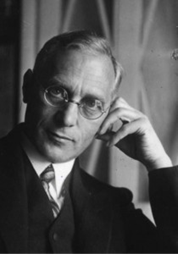
막스 거슨(1882~1959)
독일 출신의 유태계 의사로, 의과대학 재학시절 자신의 편두통을 고치기 위해 무염식 중심의 식이요법을 개발하였는데, 이 식이요법이 결핵과 암 등을 치료하는 효과가 있음을 알고 이을 발전시겨 거슨요법을 개발하였다. 영양공급과 커피관장으로 몸 속의 독소를 제거하고 간 기능을 회복하여 몸의 면역력을 회복하여 질병을 치유하는 거슨요법은 오늘날 전 세계에서 가장 널리 알려진 자연요법 중 하나이다. 거슨 박사가 사망한 후 딸인 샤롯 거슨 여사가 미국 샌디애고에 거슨재단을 설립하여 지금까지 운영하고 있으며, 멕시코에 거슨병원이 운영되고 있다.
 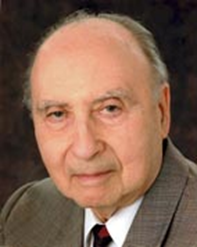
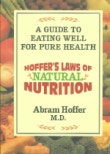
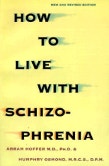
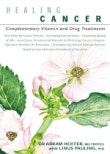
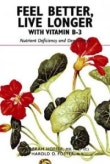
아브람 호퍼(1917~2009)
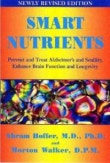
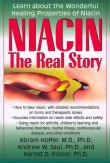
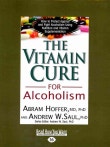
1917년 캐나다 사스캐츠원에서 출생한 정신과의사. 1952년에 동료 험프리 오스몬드와 함께 나이아신(비타민B3)과 비타민C를 많은 량으로 처방하면 정신분열증을 효과적으로 치료할 수 있다는 것을 발견한 후 수천 명의 정신분열증 환자를 치료하였다. 또한 이 처방이 몸 전체의 건강을 회복한다는 사실을 알고 많은 암환자들도 치료하였다. 1955년에는 나이아신이 콜레스테롤을 낮춘다는 사실을 발견하였다. 노벨상을 2차례 수상한 라이너스 폴링 박사와 함께 분자교정의학을 창시하고, 비타민처방의 효과를 널리 알려 유명해졌다. 55년 동안 왕성하게 연구와 진료를 하면서 24권의 책과500편 이상의 논문을 썼다. 2005년 12월 31일 부로, 88세를 맞이하여 "모든 사람은 55년마다 자신의 계획을 바꿔야 한다" 라는 말을 남기고 환자 치료는 은퇴하고 연구에만 전념하다가 2009년 92세의 나이로 사망하였다. 그 자신이 비타민C와 B3를 꾸준히 복용하여 메가비타민 요법의 효능을 입증하였다. 호퍼 박사는 나이아신에 관한 책만 여러 권을 저술하였다.
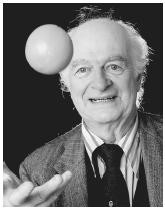
라이너스 폴링(1901~1994)
미국 오리건주 출생으로, 1954년 화학결합의 성질을 연구하여 노벨 화학상을 받은 후, 1962년에는 반핵운동에 앞장 선 공로를 인정 받아 노벨평화상을 수상하였다. 역사상 노벨상을 두 차례 받은 유일한 미국의 화학자이다. 폴링 박사는 뉴튼, 다윈, 아인슈타인과 어깨를 나란히 하는 20세기 최고의 과학자로 알려지기도 하였다. 1939년 발행된 폴링 박사의 저서 <The Nature of the Chemical Bond> 는 20세기에 가장 영향력 있고 자주 인용되는 과학서적 중 하나이다. 삶의 후반에는 분자교정의학에 심취하여 비타민C 고용량요법을 널리 알려서 논쟁의 중심에 서기도 하였다. 1974년 스탠포드대학 교수직을 마친 후, 분자교정의학 연구소를 설립한 후 나중에 라이너스 폴링연구소라고 이름을 바꾸어 연구소장을 맡으며 연구에 전념하다가 1994년 암으로 94년 동안의 삶을 마감하였다. 아브람 호퍼 박사와 마찬가지로 폴링 박사 스스로 분자교정의학을 실천하여 장수하였다.
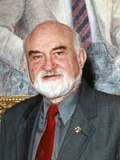
휴 리오단(1932 ~ 2005)
미국의 정신과의사로 영양소와 비타민이 암을 포함한 질병에 효과적인 치료법이라는 신념을 가진 분자교정의학자였다. 대학시절 감기로 고생하다 의사가 제시한 비타민 처방을 따르고 감기가 낫는 것을 경험한 후, 1975년부터 자신의 이름을 딴 연구소를 설립하여, 비타민을 연구하였다. 비타민 연구에 심취하여 비타민C 가 강력한 항생제이며 항암제라는 것을 알아내고, 고용량 정맥주사를 이용하여 암 환자들을 많이 치료하였다. 그의 연구결과는 미국 켄사스대학과 캐나다 맥길 대학에서 이어지고 있다. 2002년 라이너스 폴링 상을 수상하였다. www.brightspot.org
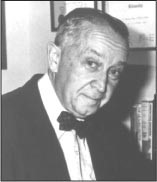
어윈 스톤(1907–1984)
미국의 생화학자로, 사람이나 기니피그 처럼 진화과정에서 비타민C를 생성하는 기능을 상실한 동물들은 "저아스크로빈산증(hypoascorbemia)"을 가지고 있으므로, 괴혈병을 예방하는 데 필요한 최소량보다 훨씬 많은 양의 비타민C가 필요하다고 주장하였다. 비타민C를 식품가공에서 방부제로 사용할 것을 제안하기도 하였으며, 효소과학과 제약기술, 영양소 배양과 관련된 26개의 특허를 획득하였다.
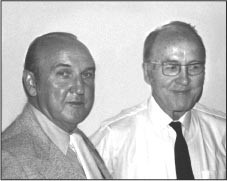
윌프리드 & 에반 슈트형제 (1907-1982, 1905-1978)
슈트 형제들은 고용량의 비타민E를 1933년부터 심장질환 치료에 사용하기 시작한 선구적인 분자교정의학자이다. 항산화제나 프리래티컬에 대한 개념이 제대로 알려지지 않았던 당시에 비타민을 고용량으로 사용하여 심장질환이나 당뇨병을 치료한는 것은 의학계에서 이단이나 괴벽으로 여겨질 수 밖에 없었다. 관습적인 의학지식 보다 환자에게 도움에 되는 것에 더 관심이 많았던 슈트 형제의 용기 있는 관찰 덕분에 비타민에 관한 연구가 진전을 이루게 되었다. 비타민E(토코페롤)이 폐암 등 치료에 효과가 있음이 밝혀진 것은 이 두 형제의 연구 성과에 힘 입었다고 해도 틀린 말은 아니다.
"우리 형제가 비타민E가 다양한 효능을 가지게 만들지 않았습니다. 하느님이 하신 일입니다.
비타민E와 하느님의 자비를 무시하시면 위험을 감수해야 합니다."
— 에반 슈트 박사 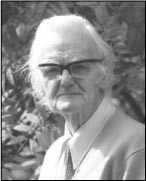
험프리 오스몬드(1917~2004)
캐나다 사스캐츠원에서 1950년대부터 아브람 호퍼 박사와 함께 나이아신이 정신분열증의 치료에 효과가 있
음을 밝혀내고 환자 치료에 응용하기 시작하였다. 권장량의 무려 1,000에 달하는 하루 17g까지 처방하다.
수용성 비타민인 나이아신이 인체에 무해하면서 치유효과가 있음을 이미 알고 있었던 것이다. 그는 또한 정신
분열증이 아드레날린에서 생성된 환각물질 때문에 발생하는 가설을 입증하였다. 이 가설은 분자교정의학의
시초가 되었다. 호퍼 박사와 오스몬드 박사가 정신과 의사로 나이아신의 효과를 입증하면 분자교정의학은 초
기에 분자교정 정신의학(Orthomoleccular Psychiarty)이라 불려지게 되었다.
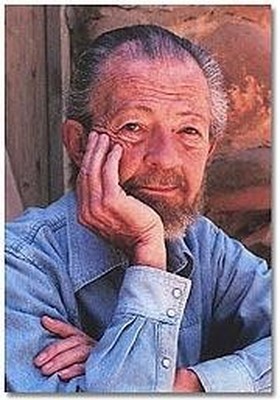
데이빗 호킨스(1913~2002)
미국 텍사스 엘 파소에서 출생한 데이빗 호킨스 박사는 인간의 의식수준을 높이기 위한 모든 학문 분야에 관심이 있었던 높은 영성을 지닌 인물로 알려져 있다. 우리나라에도 그의 책 여러 권이 번역되어 있다. 개인적으로 모델로 삼고 있는 멘토이다. 어린시절 영적 경험을 한 후, 수학, 경제학, 심리학, 철학 등 다방면의 공부를 하였고 인간의 의식수준을 수치화하여 연구한 것으로 잘 알려져 있다. 원자탄을 개발한 오펜하이머와 친분으로 원자탄 개발을 위한 맨해턴프로젝트에 참여하기도 하였으며, 후에 라이너스 폴링 박사와 함께 분자교정의학에도 깊은 관심을 가지고 연구하였다.
*데이빗 호킨스 홈페이지 https://veritaspub.com/
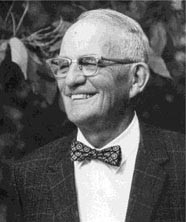
로저 윌리암스(1893~1988)
"When in doubt, try nutrition first."
"의심스러우면, 일단 영양요법을 시도해보세요."
로저 윌리암스 박사는 판토텐산(비타민B5)을 발견한 것으로 유명한 미국 화학자이다. 클레이튼 연구소를 설립하여 비타민 관련 연구를 하였으며, 체내 세포의 미세환경이 건강에 매우 중요하며 영양소의 결핍이 질병의 주요 원인이라는 관점에서 영양 중심의 치료법의 기초를 단단하게 만든 학자이다. 생몰 연대에서 보는 것처럼 스스로 95세까지 장수를 누리며 분자교정의학의 효과를 입증한 인물이다.
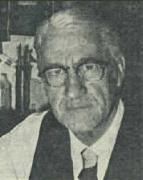
프레드 클레너(1907~1984)
"비타민 C는 의사에게 가장 안전한 물질이다."
— Frederick Klenner, M.D.
미국 펜실베니아주 태생으로, 1950년대 초반부터 스스로 비타민C를 고용량으로 복용하여 효과를 검증하여 소아마비를 치료하는 데 적용하였다. 환자에게 비타민C를 하루 최고 100g까지 구강으로나 정맥으로 투여하기도 하였다. 70명의 소아마비 환자들을 대상으로 영국에서 행한 실험에서 고용량의 비타민C를 투여한 환자들에게서는 마비증세가 나타나지 않았지만, 비타민C와 대조적으로 위약을 투여한 그룹에서는 약 20%가 마비증세를 보였다. 이 놀라운 발견은, 때 맞추어 등장한 소아마비 백신에 가려져 제대로 알려지지 못하였다. 클레너 박사는 소량의 비타민C는 효과가 없다는 것을 주장한 최초의 의사이다. 그는 늘 말하였다고 한다. “ 치료를 원하면 충분한 양을 사용하십시요.” 치료 방법이 아무것도 없다면 비타민C를 고용량으로 먹게하라는 것이 그의 원칙이다. 그는 비타민C가 몸의 치유력을 돕는다는 신념을 잃지 않았다.
윌리암 카푸만 (1910~2000)
"나이산아미드는 독립적으로 사용하거나 다른 비타민과 사용하여도 천여 명의 환자들에게 수 년 동안 사용하면서 전혀 부작용이 없는 것을 관찰하였다."
-윌리암 카푸만
카푸만 박사는 나이아신과 나이아신아미드 형태의 비타민B3를 치료 목적으로 사용한 초기의 의사들 중 한 명이다. 관절염 환자들에게 하루 5g까지 엄청난 양의 나이아신아미드를 처방하여 증상을 개선한 것을 책을 통해 보고 하고 있다. 그의 이런 획기적인 시도는1949년 발행한 <The Common Form of Joint Dysfunction>에서 관절염 치료를 위해 나이아신아미드 외에 비타민C, 티아민(B1), 리보플라빈(B2)를 고용량으로 처방하였다고 상세하게 기술하고 있다. 앞에 언급된 비타민들은 수용성으로 체내에서 쉽게 흡수되며, 모두 산성(acid)이므로 위벽에 무리가 가지 않도록 식후에 섭취하면 된다. 카푸만 박사는 메가비타민요법의 안전성을 강조하기 위해 치료과정을 꼼꼼하게 기록하여 발행하였다. 70년 전에 흔히 불치병으로 알려진 관절염을 치료한 놀라운 의사이다.
카푸만 박사는 열정적이고 다방면에 관심이 많았는데, 한 가지 일을 하다가 밀쳐 두고 다른 관심사가 나타나면 몰입하는 등 항상 마음이 분주한 성격이었다고 한다. 나중에 이런 증후가 정신분열증과 유사한 증세인 것을 겸허하게 깨닫고, 스스로 나이아신을 복용하면서 집중력을 되찾고 일을 더 효율적으로 할 수 있었다고 한다. 그의 아내가 기록한 것에 따르면, 카푸만는 환자를 돕는데 헌신적이어서 환자에게 귀를 기울이고 환자들로부터 배운 것을 임상에 응용하고 수십 종의 저널을 구독하면서 연구를 하였고, 피아노로 모차르트 음악을 연주하고, 시, 희곡, 에세이를 쓰기도 하는 천재성을 지녔다고 한다. 생각과 행동이 많고 탐구심이 많은 사람은 에너지 소모가 많으므로 많은 영양섭취가 필요하다. 정신분열증 발작은 대부분 에너지가 고갈된 저혈당 상태에서 발생한다.
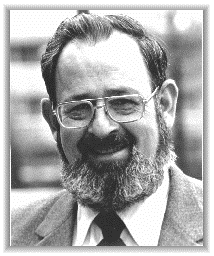
버나드 림랜드(1928~2006)
“자폐증의 대부”로 불리는 버나드 림랜드 박사는 1928년 미국 오하이 클리브랜드 출생으로, 1965년 미국자폐증협회, 1967년는 자폐증 연구소를 설립하였다. 심리학자 였던 림랜드 박사는 자폐증이 소위 "냉장고 엄마"들의 자녀에게 발생하는 정서적 장애라는 한때 유행하던 그릇된 믿음을 뒤업고, 수천명의 아동과 그 부모들에게 희망을 준 지칠 줄 모르는 열정을 가진 연구자였다. 그는 평생 동안 방대한 연구자료와 임상경험을 모으고, 미국자폐증협회를 1965년에, 자폐증연구소를 1976년에 설립하였다. 그의 자폐증 치료에 대한 최대의 공헌은 응용행동분석을 도입한 것이다. 단계적 훈련을 통해 간단한 지시에서부터, 복잡한 행동을 지시하나가는 이 방법은 많은 어린이들이 언어의 기초를 이해하고, 정상적인 사회적 행위를 이해하는데 도움을 주고있다. 림랜드 박사는, 1988년, 영화 레인맨의 주인공 더스틴 호프만에게 전문적인 조언을 한 것으로 유명하다. 더스틴 호프만의 뛰어난 연기가 마치 자폐증 환자가 모두 천재적인 재능을 가진 것처럼 오해되었는데, 실제로 그런 천재적 재능을 보이는 환자는 극히 일부이다. 적어도 이 영화는 대중들에게 자폐증을 알게하는 계기가 되었다. 그는 늘 밤 늦게까지 서신, 전화, 메일을 통해 환자와 부모들에게 조언을 하고, 정보를 나누는데 온 정열을 다 쏟았다.
*************************
올바른 영양공급이 건강과 장수에 얼마나 중요한 지를 분자교정의학자들은 그들의 삶을 통해 보여주고 있다. 대부분의 학자들이 90세에 이르기까지 열정적으로 연구와 환자 치료를 하다가 생을 마감하였다. 많은 사람들의 가장 큰 소망 한 가지를 실천한 것이다. 여기에 소개한 학자들 외에도 많은 천재적인 재능과 열정을 지닌 학자들이 분자교정의학 관련 연구 성과를 매년 발표하고 있다. 그들의 연구성과가 국내에도 제대로 소개되어 자연의학의 토대가 넓고 단단하게 구축되기를 바란다.
|



|


No comments:
Post a Comment